The Texas Scientist
Charging Ahead: The Path to a Clean Energy Future
Clean energy research from UT Austin scientists holds disruptive potential. It comes just as new technologies are needed most.

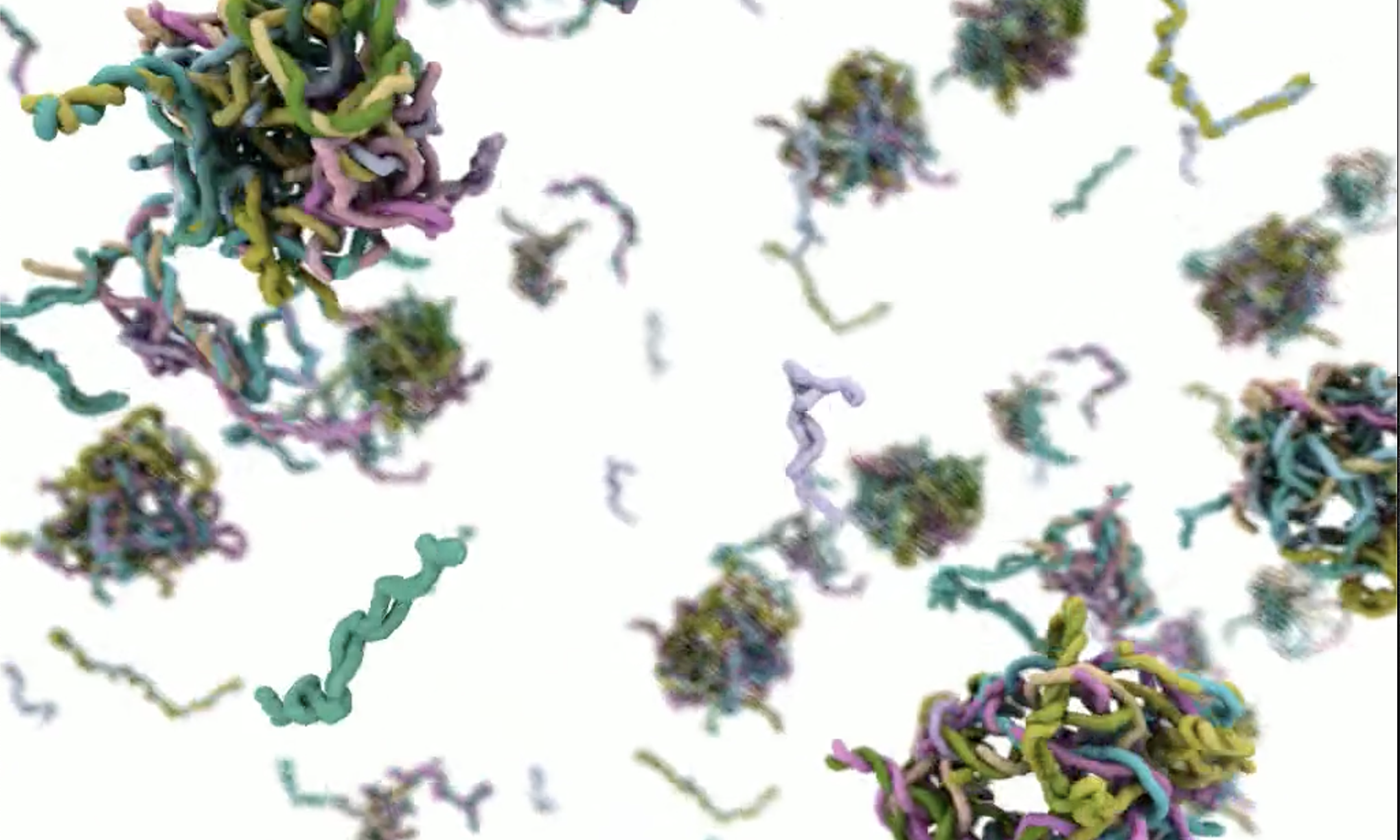
When Good RNA Turns Bad
Biophysicist Dave Thirumalai and his team developed a computer model that helps explain how certain kinds of RNA molecules can clump together in a way that is correlated with neurological disorders
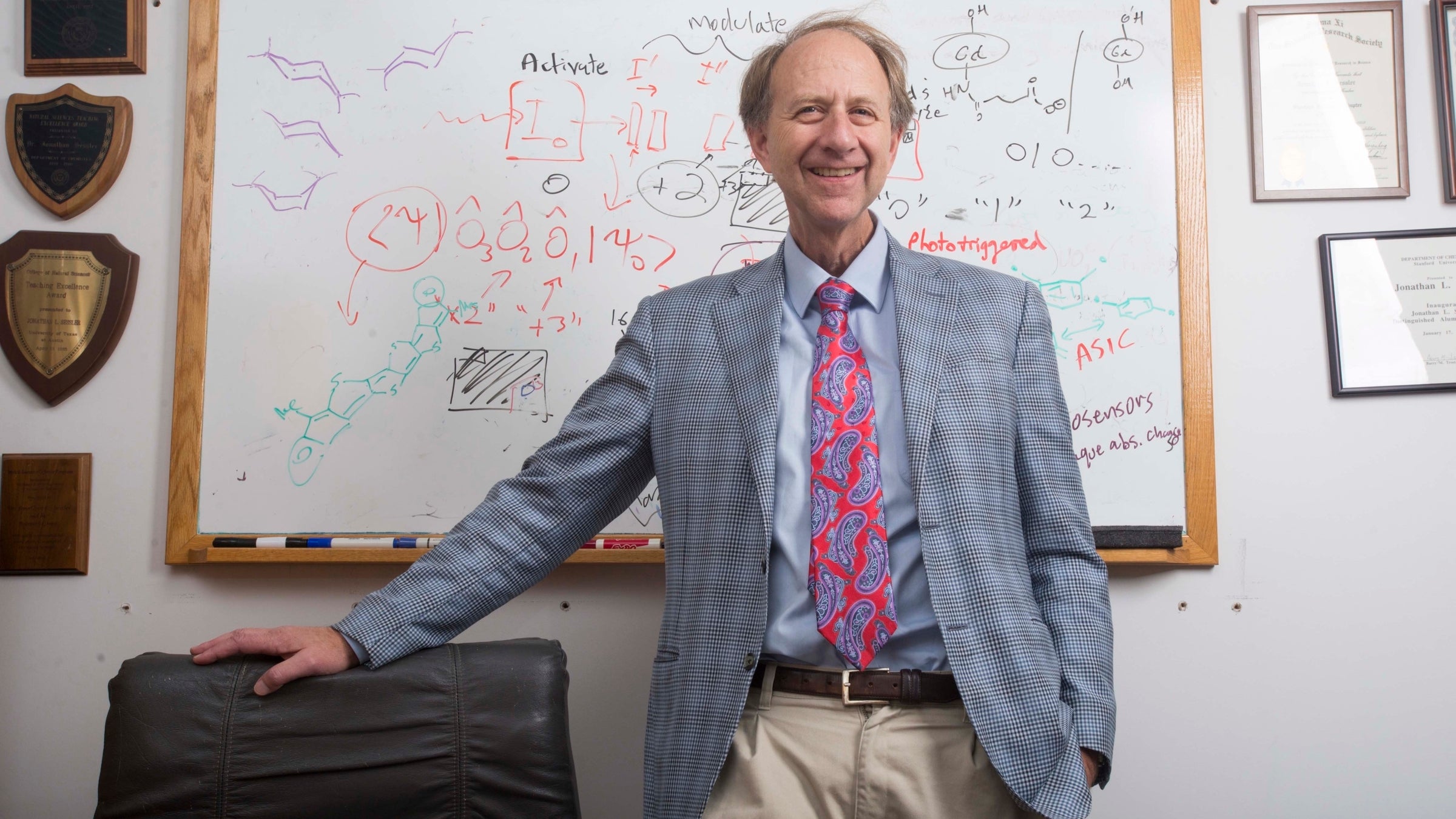
Sessler Elected to American Academy of Arts & Sciences
Jonathan Sessler of UT Austin joins 22 others on the College of Natural Sciences faculty who have been elected to the American Academy.
Texas Scientist
Charging Ahead
Chemists and physicists are making steady progress on developing new materials that may prove key for our future energy needs.

Zak Page Named a 2022 Cottrell Scholar
For Zachariah Page's research in materials chemistry, he has been selected as a 2022 Cottrell Scholar.

UT News
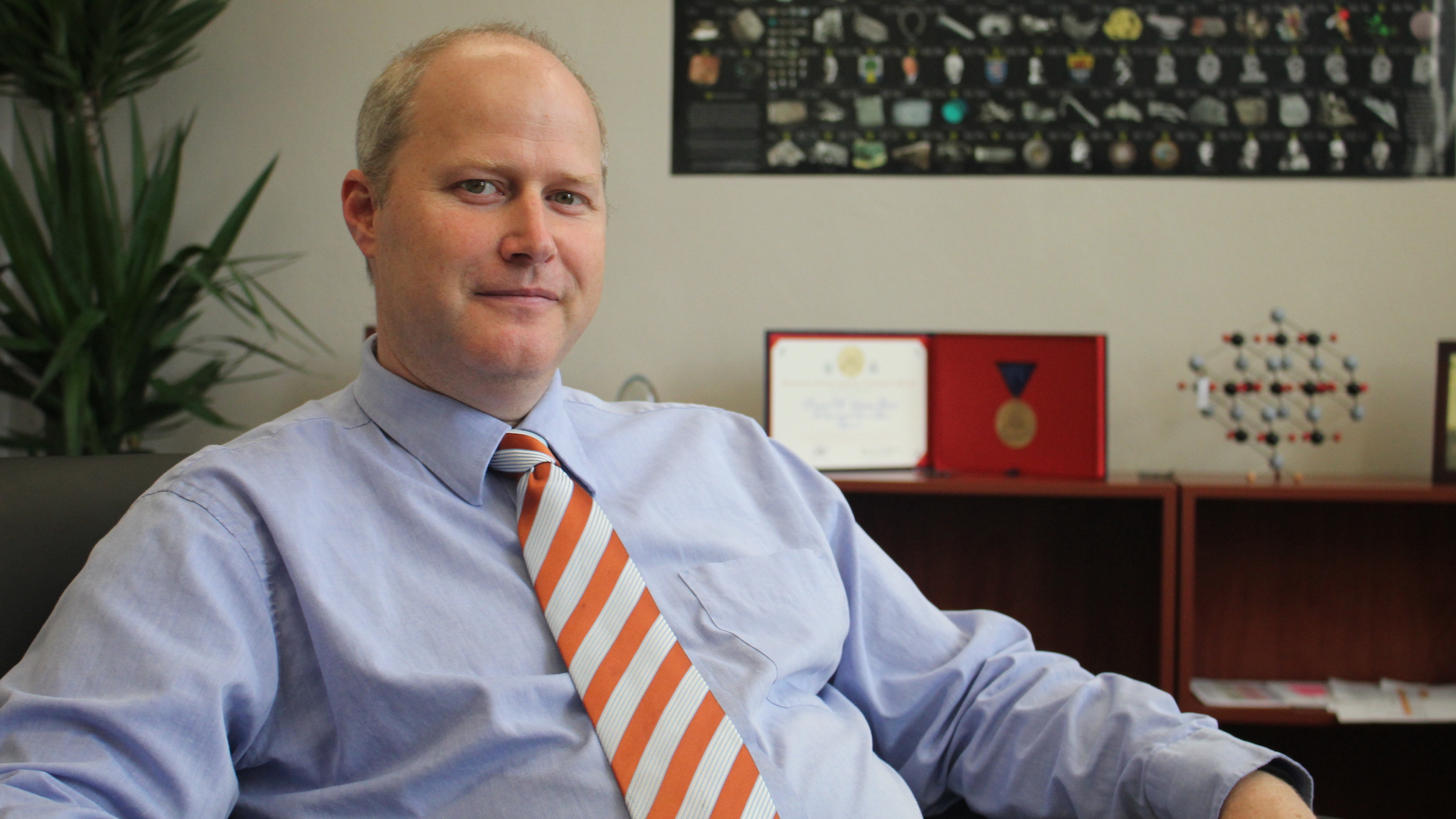
David Vanden Bout Appointed Dean of the College of Natural Sciences
Vanden Bout has served in top College of Natural Sciences leadership posts since 2014, both as associate dean for undergraduate education and, since 2018, as senior associate dean, overseeing significant gains for students and for UT Austin resaerchers.
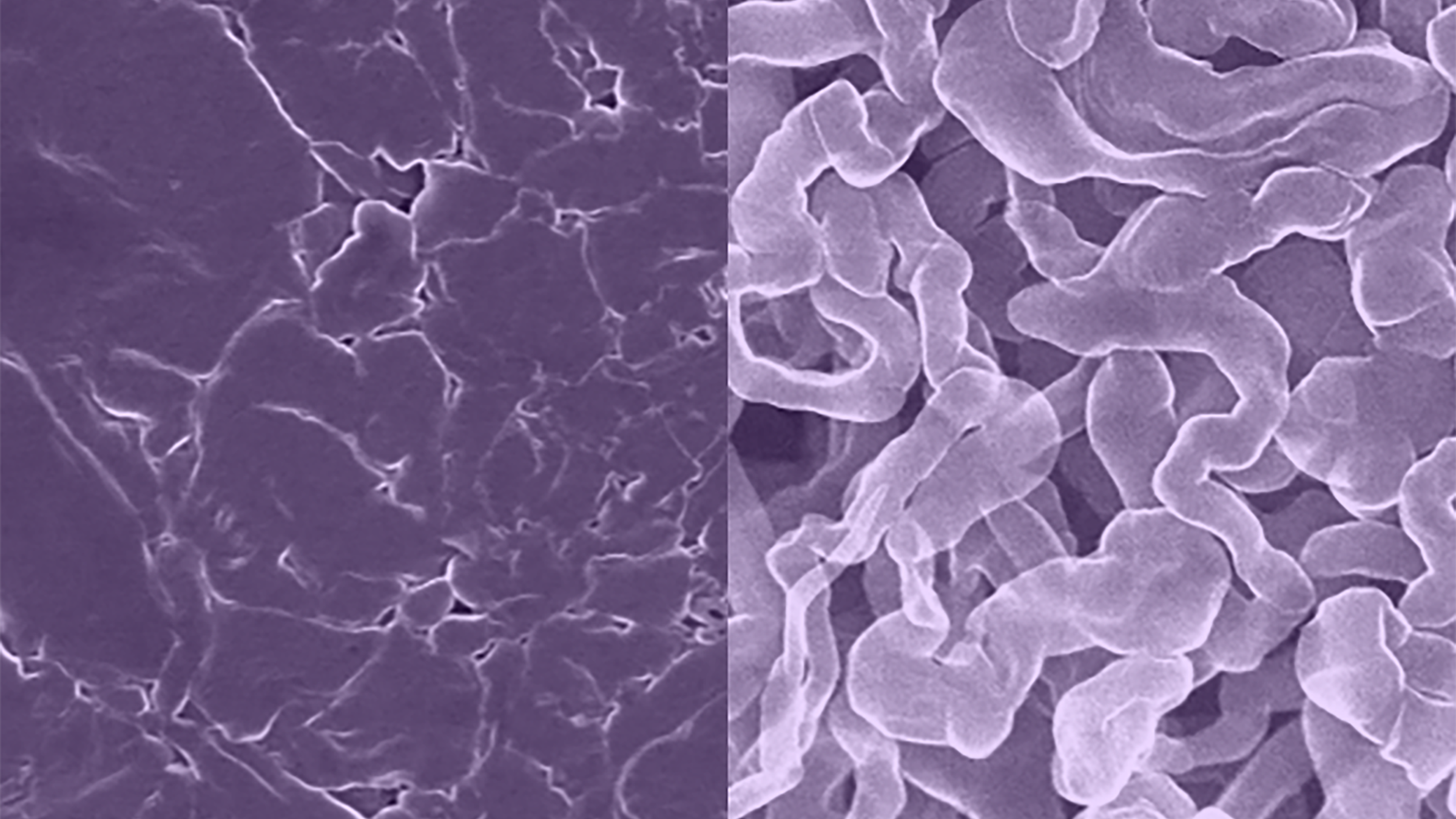
Sodium-based Material Yields Stable Alternative to Lithium-ion Batteries
A new sodium-based battery material is highly stable, capable of recharging as quickly as a lithium-ion battery and might deliver more energy than current battery technologies.
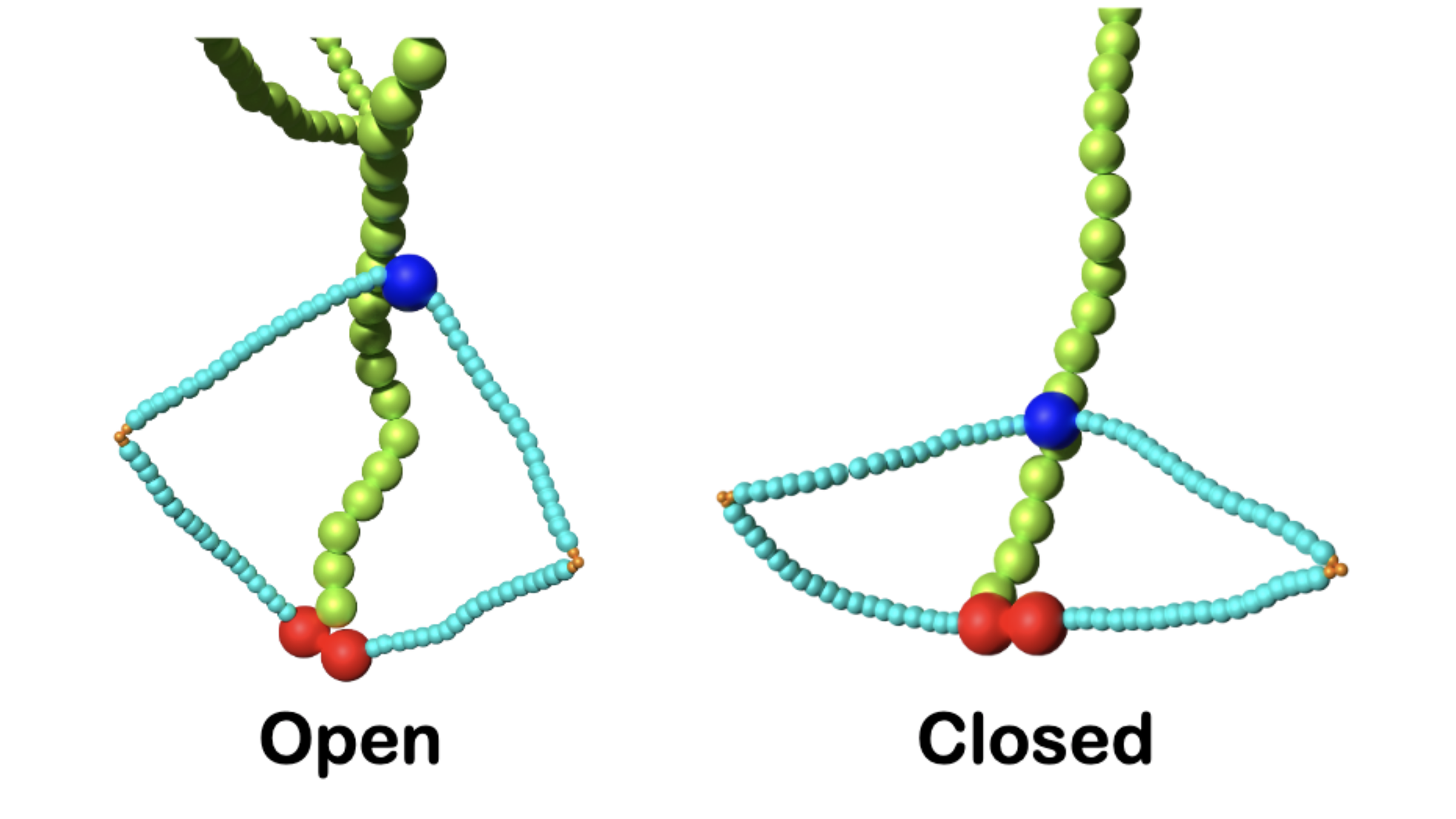
New Model Reveals How Chromosomes Get Packed Up
The first theoretical model of condensin, a molecular machine involved in packing and unpacking chromosomes, accurately reproduces all known experiments with just two parameters.
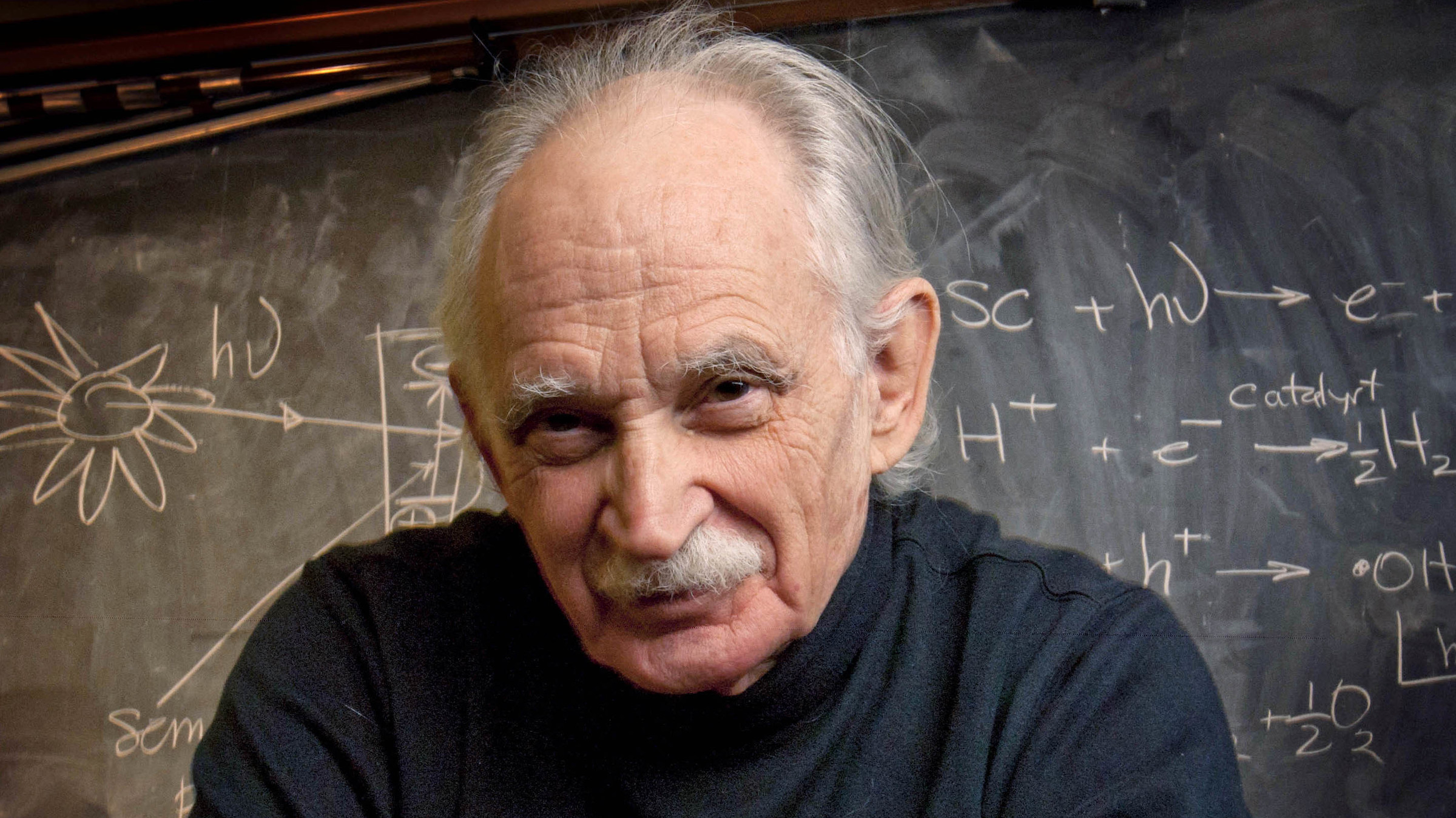
Electrochemistry Pioneer and Texas Science Legend Allen Bard Retires
Allen Bard chemist and founder of modern electrochemistry retires from The University of Texas at Austin.
Three Natural Sciences Faculty Receive NSF CAREER Awards
UT Austin assistant professors in the Department of Computer Science and Department of Chemistry have been selected for NSF CAREER awards.