
Organic Seminar - David Margulies
Jan
16
2026
Description
The Organic Seminar Series presents: David Margulies
Weizmann Institute
Hosts: Jonathan Sessler and Eric Anslyn
Title: Detecting and Modulating Proteins with Multifunctional Molecular Probes
Location: WEL 2.122
Refreshments served at 3:15pm
Protein surfaces play a key role in a wide range of biological processes. However, effectively targeting these surfaces with synthetic agents remains a significant challenge. To address this, we have developed multifunctional molecular probes capable of engaging in proximity-induced, nonspecific interactions with protein surfaces. This presentation will outline how this endeavor has resulted in the creation of probes that can interact with distinct proteins and can be applied in multiplexed protein sensing or as mediators of unnatural protein–protein or cell–cell interactions. The first part will focus on a unique class of fluorescent probes, termed ID-probes, which mimic the function of the olfactory system (Fig. 1a).1–5 Unlike conventional probes that detect a single protein, ID-probes generate distinct identification (ID) fingerprints for multiple proteins and their combinations. This property enables them to characterize protein subpopulations in mixtures and living cells, which are inaccessible to conventional chemical “noses/tongues.” The second part will present synthetic chemical transducers (CTs) that mediate the activation of enzymes by unnatural protein partners6–8 (Fig. 1b). This artificial protein crosstalk may allow rewiring of signalling pathways and the creation of a new class of cell-selective inhibitors. Finally, a method by which bacteria can be reversibly decorated with artificial, self-assembled synthetic receptors will be discussed (Fig. 1c).9,10 This approach, which provides the means to endow bacteria with new properties, has enabled the creation of bacterial probes (B-probes) capable of identifying various types of cancer cells.
Figure
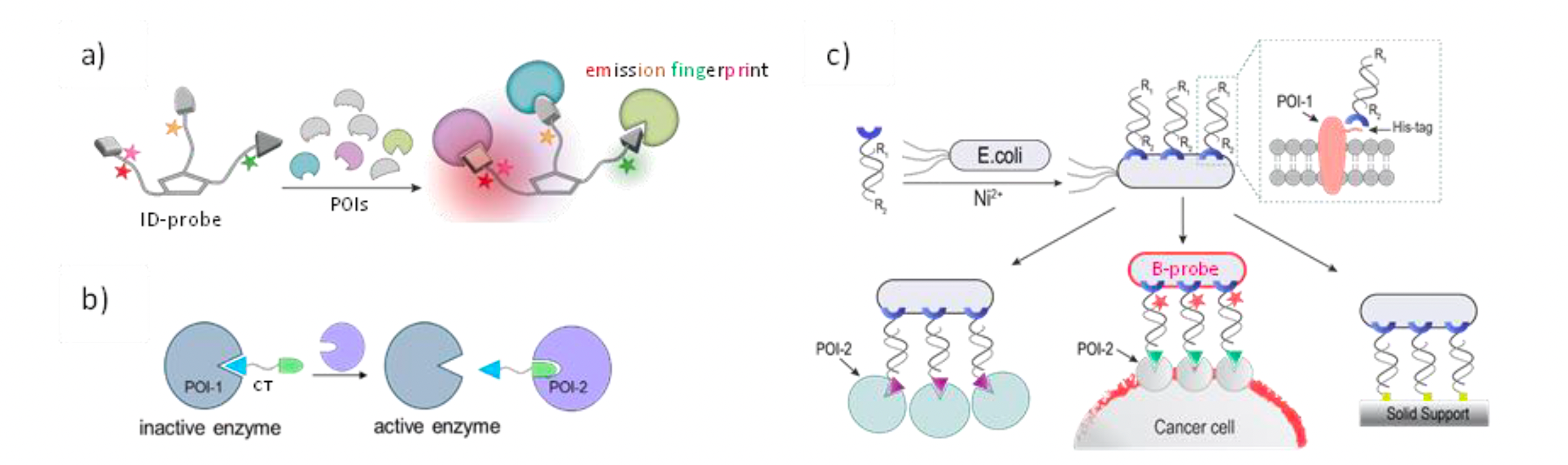
Figure 1. Schematic representation of the main research directions pursued in the Margulies lab.
Selected references:
- Rout, B. et al. Angew. Chem. Int. Ed. 2012, 21, 12477.
- Hatai, J. et al. J. Am. Chem. Soc. 2017, 139, 2136–2139.
- Pode, Z. et al. Nat. Nanotechnol. 2017, 12, 1161.
- Peri-Naor, R. et al. J. Am. Chem. Soc. 2020, 141, 15790.
- Motiei, L.; Margulies, D. Acc. Chem. Res. 2023, 56, 1803.
- Peri-Naor, R. et al. J. Am. Chem. Soc. 2015, 141, 15790.
- Suss, O. et al. Angew. Chem. Int. Ed. 2024, 63, e2023124.
- Halfin, O. et al. Chem. Sci. 2024, 15, 14209.
- Lahav-Mankovski, N. et al. Nat. Commun. 2020, 11, 1299.
- Kishore Prasad, P. et al. Mater. Today Bio. 2023, 20, 100669.